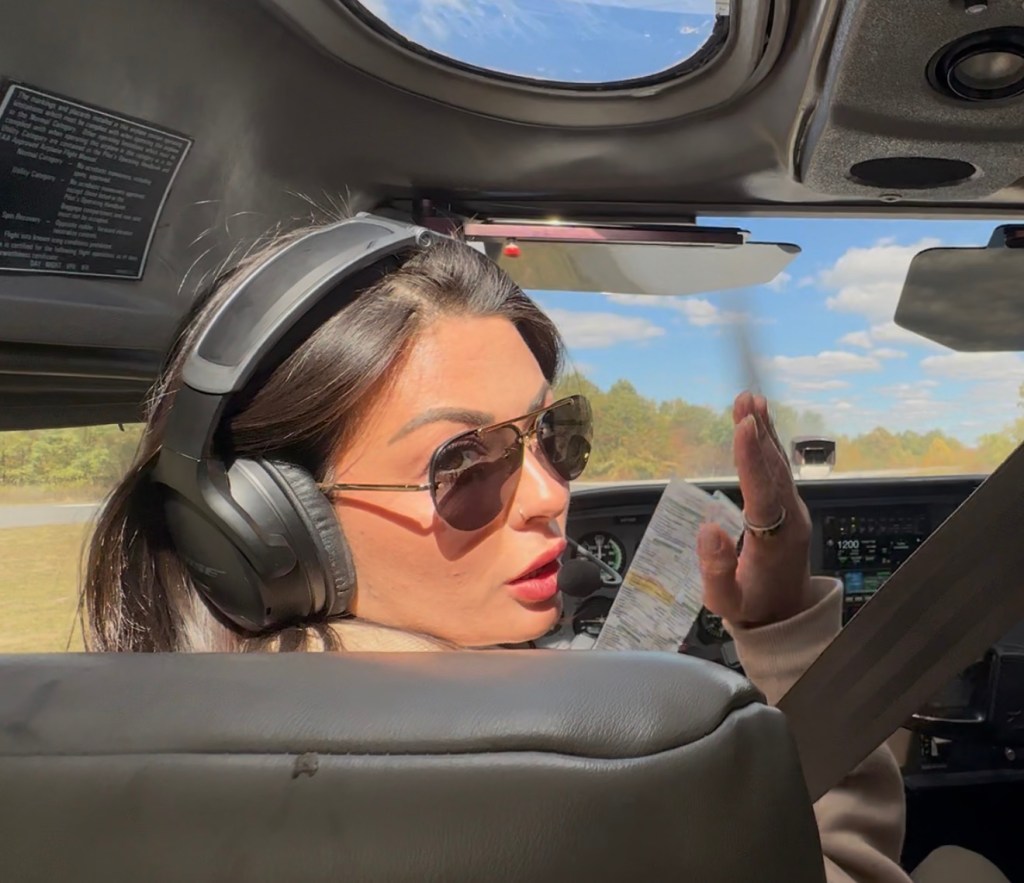
If you’ve ever watched a pilot work through a cockpit checklist, you know it looks almost effortless—calm, clean, methodical. But behind that smooth flow are principles that can change the way anyone makes decisions, especially leaders.
Flying teaches you how to stay level-headed in moments where emotion, pressure, and time are all fighting for your attention. It’s exactly why the aviation mindset translates so naturally into entrepreneurship and leadership. Here’s what pilots know—and what every CEO can borrow… from the perspective of both a Pilot and a CEO.
1. Good Decisions Start Before the Plane Even Moves
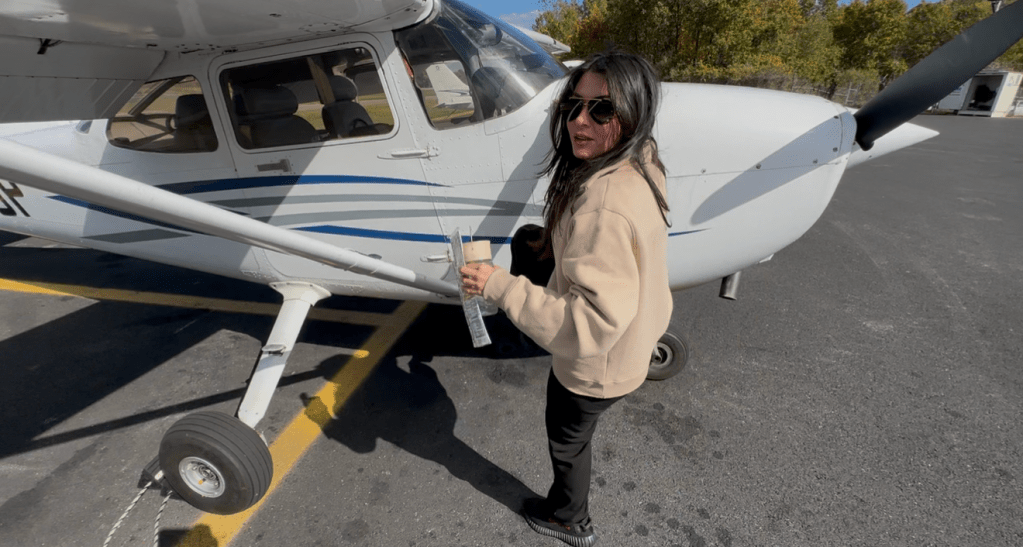
Pilots don’t start making decisions after takeoff. They build the plan before they even touch the throttle.
Preflight briefings, weather checks, performance calculations—this is all the “prep work” that removes 80% of surprises in the air.
CEO takeaway:
High-quality decisions come from doing the boring prep no one wants to do. Risk assessment, contingency planning, and pre-briefing your day creates a cleaner mental runway. The more prep you do on the ground, the less work load you’ll need to balance in the air, when it matters most.
2. Checklists Don’t Limit You—They Free You
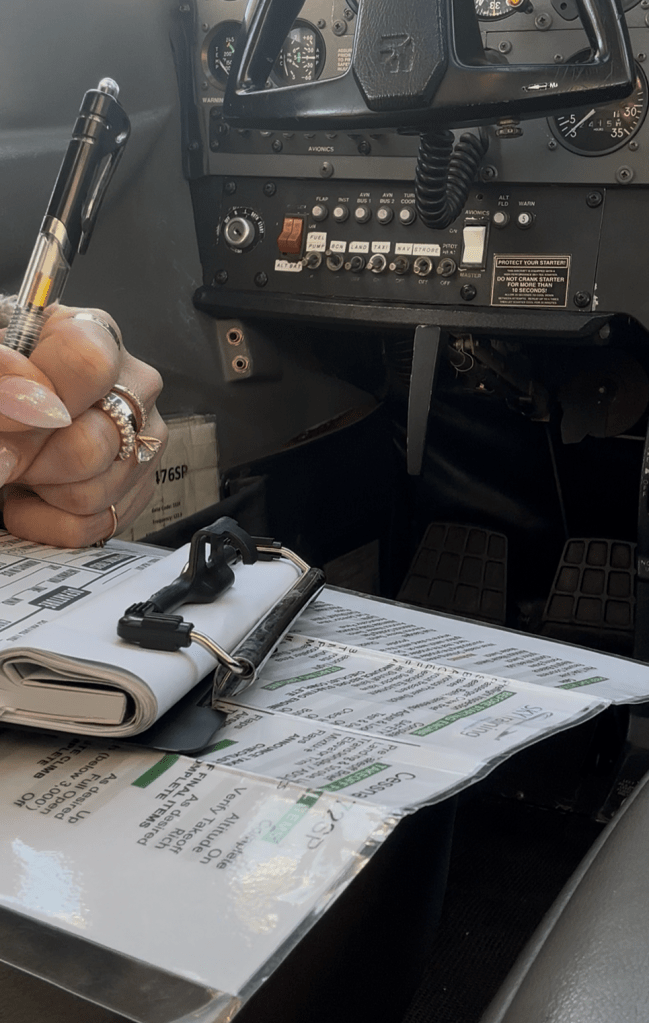
People think checklists mean repetitive rigidity. In reality, they free up cognitive space.
When the fundamentals are standardized, the mind is free to focus on higher-level thinking.
CEO takeaway:
Systemize the repetitive parts of your work. When you automate or checklist your essentials, you make fewer mistakes, reduce decision fatigue, and think more strategically.
Never become complacent.
3. Aviate. Navigate. Communicate. (The Priority Rule That Solves Everything)
This is the golden rule of aviation:
Aviate (control the aircraft) → Navigate (know where you’re going) → Communicate (then talk about it).
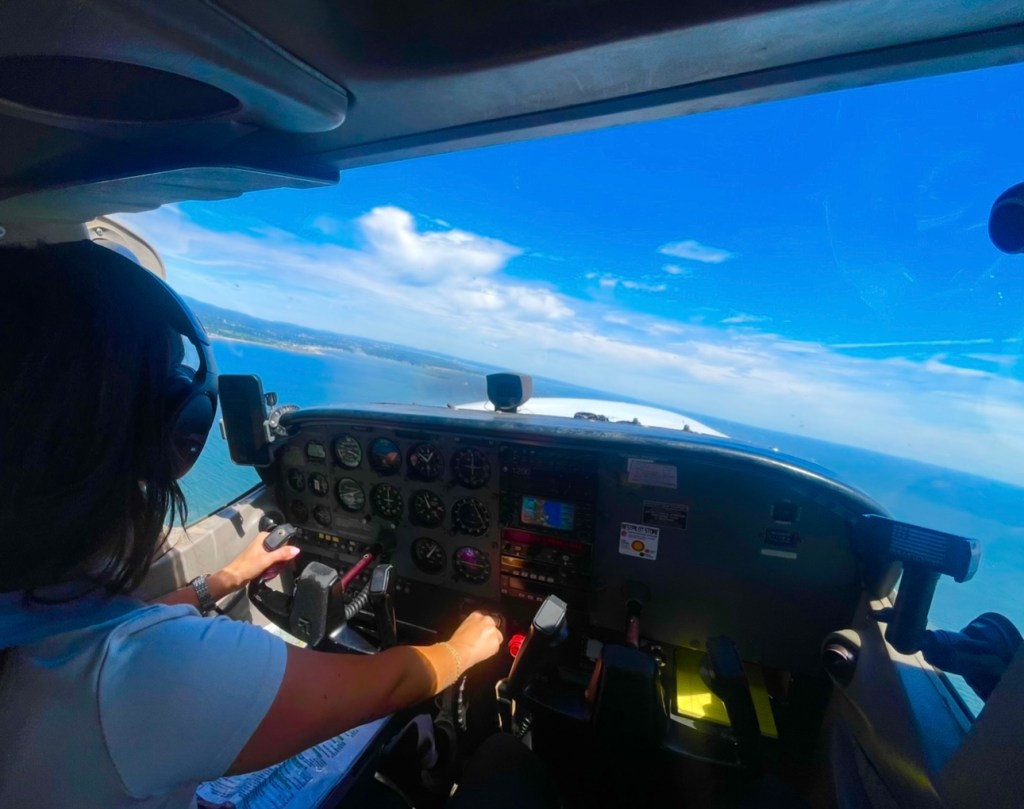
When things get messy, this order saves lives.
CEO takeaway:
When everything is demanding your attention at once, prioritize in this order:
- Stabilize your situation. Do what you do best;
“Fly the damn airplane!” (As heard in my head forever in the voice of my CFI) - Re-establish direction. Get back on the path—or choose a new one.
- Communicate. Make the necessary radio calls after you’ve stabilized and planned.
Most leaders do this backwards and cause chaos…
4. Pilots Embrace Data, Not Drama
No matter how loud a warning chime sounds, pilots turn to data first: instruments, trends, & checklists.

Emotion never gets the first vote.
CEO takeaway:
When faced with a high-stakes decision, pull emotion out of the cockpit. Keeping a clear head is key to making the most rational and safe aeronautical decisions during an in-flight emergency.
The loudest voice isn’t always the most accurate.
5. Debriefing Is Where the Mastery Happens
After every flight, there’s a debrief.
What went right, what went wrong, what would we do differently…
No ego. Just learning.
CEO takeaway:
Debrief your wins and your misses. There is always something to take away from each flight, each business decision, each human connection made and lost, etc. I fully believe everyone should be going home at the end of their days and debriefing everything that happened. Imagine how much more in tune with ourselves and our loved ones we would be?
6. Staying Calm Isn’t a Personality Trait—It’s a Trained Skill
Pilots aren’t inherently calmer than anyone else. They’re trained to slow everything down internally—even when things are happening fast externally.
This has always been a struggle for me, but I exercise that muscle everyday to build it up.
CEO takeaway:
Calm is a competitive advantage.
It’s built through repetition, mindset training, and knowing your systems well enough to trust them. While constantly working all of this, you must also learn to trust yourself!
Trust in your teachers and mentors.
Trust in your training and study habits.
Trust in your ability to make calm, educated decisions.
The more prepared you are, the less chaotic decisions feel.
Final Approach
Pilot decision-making isn’t glamorous—it’s disciplined. But that discipline is exactly why it works.
Adopt even one or two aviation habits into your life and, I PROMISE,
you’ll feel the shift immediately:
- Less panic.
- More clarity.
- Faster recovery from setbacks.
- Cleaner decisions under pressure.
Checklists create calm. Calm creates clarity. Clarity makes leaders.

A Personal Note: From the Cockpit to Catalyst Optic Labs
When I started my business, I didn’t realize how heavily I’d lean on my pilot brain. But entrepreneurship, like flying, demands the ability to stay composed while navigating uncertainty. Building Catalyst Optic Labs used the exact same muscle as flying an airplane: preparing thoroughly, trusting my systems, adapting quickly, and always keeping my eyes forward on the mission. The cockpit taught me how to make confident decisions under pressure—skills that became the foundation of my leadership as a CEO.


In both the sky and in business, the same rule applies:
Stay calm, stay focused, and keep flying the plane.
 Mindful Muse
Leave a comment